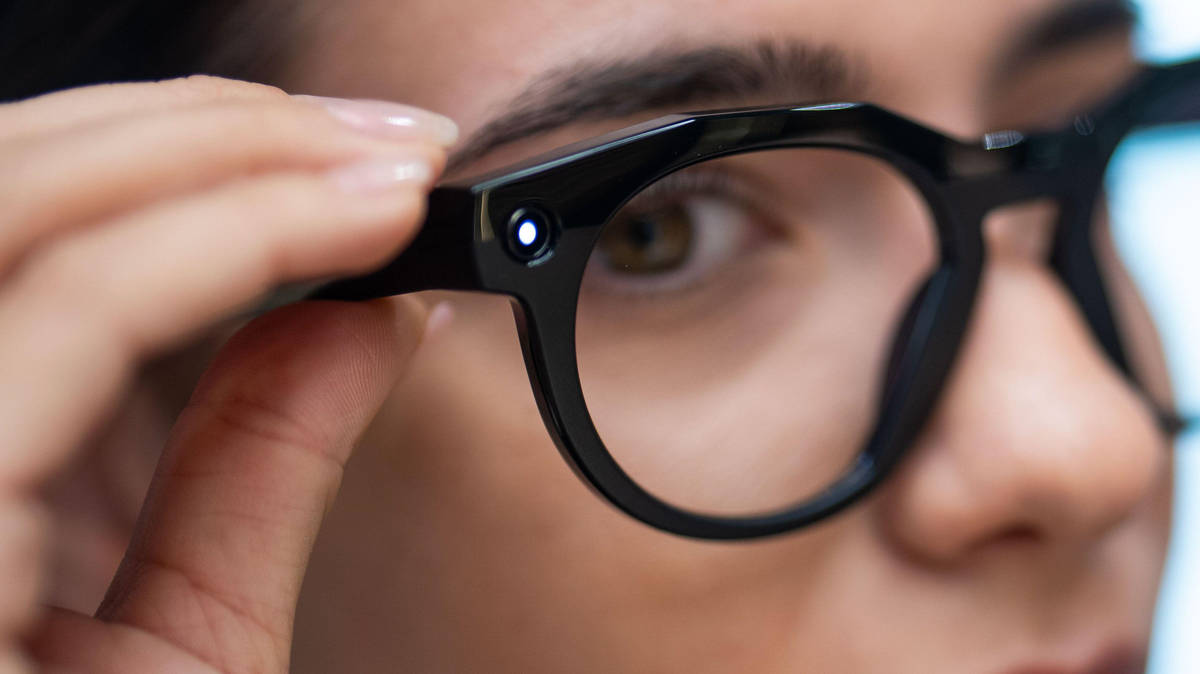
The intersection of wearable technology and personal privacy has sparked urgent policy discussions, with government officials examining potential restrictions on smart glasses amid rising concerns over covert recording. The debate centers on devices equipped with integrated cameras, microphones, and displays that allow wearers to capture video in public and private settings without drawing the immediate attention associated with traditional smartphones.
The Privacy Dilemma and Public Concern
Lawmakers have raised alarms over how easily these wearable gadgets can be used to film individuals without their knowledge or consent. Public figures and advocacy discussions have highlighted instances where unsuspecting people—particularly women—have been filmed in everyday environments, with footage subsequently shared online. While manufacturers often incorporate indicator lights intended to signal when a recording is active, critics note that these safeguards can be modified or obscured, leaving individuals unaware that they are being captured.
I see endless amounts of content online being made with these glasses that is just embarrassing women or outright pervy... Sorry we don't want you recording people and your interactions with them without those people knowing
they’re weird and invasive, with a camera in your face you could tell you’re being recorded at least but these being a subtle and discreet is a selling point
Beyond general public spaces, institutional settings such as healthcare facilities, educational establishments, and legislative chambers are actively reviewing their internal policies regarding digital recording devices. While some politicians have defended the practical utility of smart glasses—such as utilizing built-in teleprompter features during long parliamentary debates—others argue that the rapid commercial expansion of discreet recording technology outpaces existing regulatory frameworks.
Balancing Accessibility and Regulation
Policy discussions must also account for the genuine benefits that smart glasses offer to specific communities. For visually impaired individuals, wearable tech has served as an important navigation aid, helping users interact with their surrounding environment. Consequently, any prospective legislation faces the challenge of curbing non-consensual surveillance while preserving beneficial accessibility tools.
Smart glasses do have an actual use for people with disabilities. However, if people start policing glasses like they are policing toilets...
As policymakers weigh potential restrictions on sales or specific use cases, the debate underscores a broader societal question: how to establish reasonable boundaries for digital privacy in an era where recording technology continues to shrink and blend seamlessly into everyday apparel.

